A living retro collection index — games, consoles, and manuals collectors have logged, how many own each one, and the market prices we have.
358 titles
![Animal Crossing [Player's Choice]](/uploads/covers/6a975bdb525770.26701789.png)
.png)
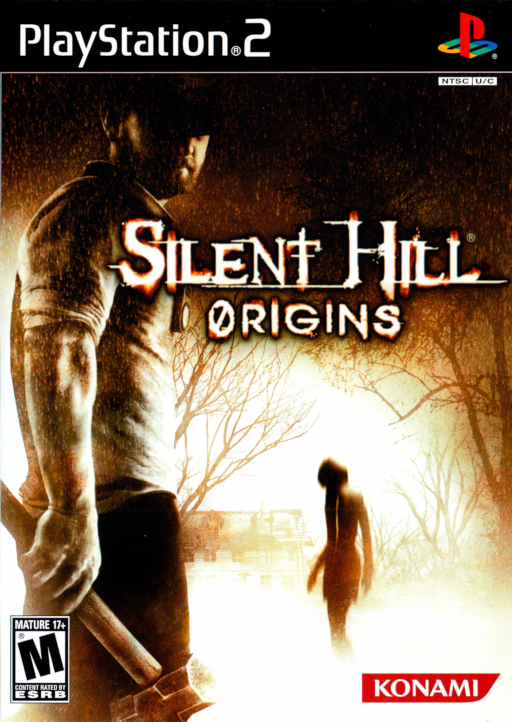
Silent Hill: Origins is a survival-horror prequel about Travis Grady, a long-haul driver pulled off the highway and into Silent Hill on the night that defines the series’ mythology. Climax Studios built it for Konami after the Japanese Team Silent era, launching on PlayStation Portable in 2007 and following with a PlayStation 2 edition in 2008. Collectors care because it is the first major Western-made chapter, a physical PS2 SKU in a mostly PSP-born project, and a narrative hinge between ordinary roads and Alessa Gillespie’s story.
The camera sits behind Travis as he walks fogged streets, boarded rooms, and a rusted Otherworld that rewrites the same map in iron and blood. A flashlight is the main tool against darkness; a pocket radio warns when something is close. Fights mix scavenged blunt objects with scarce firearms, while inventory space and health items stay tight. Puzzles, keys, and documents gate the next district. How Travis treats people and which relics he keeps can shift the ending, a series habit this entry keeps without reinventing the loop.
Konami handed the franchise to Britain’s Climax Studios rather than the Tokyo team behind the first four numbered games. Origins was designed first as a handheld story, then rebuilt for home consoles so PlayStation 2 owners could play the same prequel on a television. The plot rewinds to the Gillespie fire and the town cult, using Travis as a stranger who becomes entangled rather than a returning hero. Akira Yamaoka stayed attached through music and production, giving the Western studio a sonic bridge to the earlier scores. Uncertain studio anecdotes are omitted here.
Critics split. Atmosphere, the prequel hook, and Yamaoka’s sound work drew praise; combat feel, some voice performances, and a sense of walking familiar corridors drew complaints. The later PlayStation 2 release cleaned up presentation in places but did not rewrite the verdict. In collecting circles the game is valued for set completion and for marking the series’ shift away from Team Silent, more than for the reverence given to the early Konami Tokyo titles.